
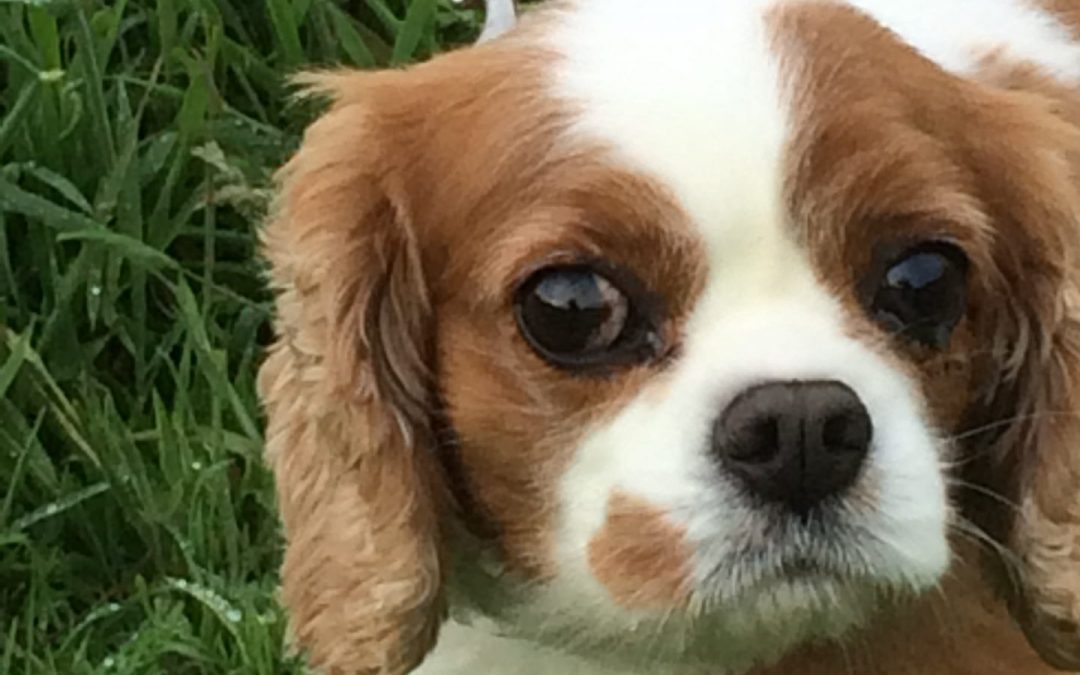
Rescue dogs and anxious dogs need a different level of care than a confident, well-settled pet — and finding the right boarding kennel can feel like a much bigger decision. If your dog struggles with new environments, past trauma, or general anxiety, here’s what to look for when choosing a kennel in North Wales, and how the right facility can make all the difference.
Why standard boarding advice doesn’t always apply
Most boarding guides focus on price, location, and general facilities. For a rescue or anxious dog, those things matter less than three others: patience, structure, and individual attention. A kennel that works brilliantly for a relaxed Labrador might be genuinely stressful for a dog with a history of abandonment, poor socialisation, or noise sensitivity.
Before booking anywhere, it’s worth being honest with yourself about your dog’s specific triggers — separation, other dogs, loud environments, strangers, being confined — so you can ask the right questions.
What to look for in a kennel for a rescue or anxious dog
1. A genuine settling-in process, not just a drop-off
A good kennel for anxious dogs won’t just take your dog on day one and hope for the best. Look for a facility that offers:
- A pre-boarding visit, so your dog can meet staff and see the environment before their actual stay
- A proper handover conversation about triggers, routines, and comfort items
- Staff who ask detailed questions rather than treating every dog the same
At Four Paws, we actively encourage a visit or short trial stay for anxious or rescue dogs before a longer booking — it makes a genuine difference to how settled they are.
2. Small numbers and low staff-to-dog ratios
Anxious dogs generally do better in quieter, smaller environments where staff have time to notice subtle signs of stress — a lowered tail, refusal to eat, excessive barking or shutting down. Large, high-volume facilities can be harder-pressed to give this kind of attention. Ask directly:
- How many dogs are typically on-site at once?
- What’s the staff-to-dog ratio, especially during exercise and feeding times?
- Is there a quiet area away from more boisterous dogs?
3. Flexibility around routine
Rescue dogs often do best with consistency — the same feeding times, the same walking routine, familiar bedding or toys from home. A kennel that insists on a rigid one-size-fits-all schedule may not be the right fit. Look for a facility willing to:
- Keep your dog on their usual feeding schedule and diet
- Allow you to bring familiar bedding, toys, or an item that smells like home
- Adjust exercise and socialisation plans based on your dog’s comfort level, not a standard timetable
4. Separate space from unfamiliar dogs, if needed
Not every anxious dog needs to be kept apart from others, but many do — particularly rescues with an unclear socialisation history. Ask whether the kennel can offer:
- Private outdoor runs rather than shared group exercise
- The option to avoid group play sessions entirely if it’s not right for your dog
- Careful, gradual introductions if any interaction with other dogs is planned
5. Honest, ongoing communication
For most rescue and anxious dog owners, the hardest part of boarding isn’t the logistics — it’s the worry. A kennel that provides updates, photos, or a quick call partway through the stay can ease a huge amount of that anxiety, both for you and, by extension, for your dog.
6. Staff experience with anxious or reactive dogs specifically
Not all kennel staff have hands-on experience with dogs that show fear-based reactivity, resource guarding, or shutdown behaviour. It’s completely reasonable to ask:
- Have staff handled rescue or anxious dogs before?
- How do they respond if a dog won’t eat, hides, or becomes reactive?
- Is there a clear plan for de-escalating a stressed dog, rather than just “waiting it out”?
How Four Paws approaches rescue and anxious dogs
At Four Paws Boarding Kennels & Cattery, we take a genuinely individual approach to every dog in our care — but we pay particular attention to rescue and anxious dogs, because we know a poor experience can set a dog back significantly.
That means:
- A detailed conversation before booking about your dog’s history, triggers, and comfort routines
- The option of a pre-boarding visit or short trial stay to build familiarity
- Quiet, private space where needed, rather than assuming every dog wants group play
- Keeping your dog’s usual feeding and exercise routine as consistent as possible
- Experienced staff who understand that a nervous or shut-down dog needs patience, not pressure
A note on managing your own expectations
Even in the best possible environment, some anxious or rescue dogs will take time to settle — and that’s normal. The goal of a good kennel isn’t to eliminate all stress on day one, but to create the safest, calmest, most consistent environment possible while you’re away, and to communicate honestly with you about how your dog is coping.
Ready to talk it through?
If you’re considering boarding a rescue or anxious dog in North Wales, we’d genuinely encourage a conversation before you book anywhere — with us or elsewhere. Tell us about your dog’s history and specific needs, and we’ll be honest about whether we’re the right fit and how we’d approach their stay.
Get in touch with Four Paws Boarding Kennels & Cattery to talk through your dog’s needs, or to arrange a settling-in visit before booking.
Recent Comments